
Preparing for the Parent-Teacher Meeting
A little preparation beforehand can help you feel confident and ready to discuss your child’s progress; create a list of questions․
Give the teacher information that will make teaching your child easier and more efficient, sharing details about home life is crucial․
Embrace keeping tabs on your student’s progress, and remember to clarify anything discussed that you did not fully understand․
Understanding the Meeting’s Purpose
The primary goal of a parent-teacher meeting is collaborative progress assessment, not simply receiving a report card summary․ It’s a dedicated time to discuss your child’s overall development – academically, socially, and behaviorally – within the classroom environment․ Understanding this broader scope is vital for productive conversation․
These meetings aren’t solely for addressing concerns; they’re equally valuable for celebrating strengths and identifying areas where your child thrives․ A proactive approach focuses on building upon existing successes while collaboratively strategizing support for challenges․ Remember, the teacher offers a unique perspective on your child’s performance within a group setting․
Effective meetings involve open communication and shared responsibility․ It’s about establishing a partnership between home and school to best support your child’s learning journey․ Knowing the meeting’s purpose allows you to prepare focused questions and contribute meaningfully to the discussion, ensuring a beneficial outcome for everyone involved․
Reviewing Your Child’s Recent Work
Before the meeting, thoroughly examine your child’s recent assignments, tests, and projects․ This isn’t just about checking grades; it’s about understanding the process behind the work․ Look for patterns – consistent strengths, recurring difficulties, or areas where effort seems to wane․ Bring specific examples to discuss with the teacher․
Consider not only completed work but also any feedback provided by the teacher․ Pay attention to comments on effort, participation, and areas for improvement․ These insights offer valuable context beyond a simple letter grade․ Reflect on whether the work aligns with your observations of your child’s learning at home․
Preparing questions based on your review demonstrates engagement and a genuine interest in your child’s progress․ It allows for a more focused and productive conversation with the teacher, moving beyond generalities to address specific concerns or celebrate achievements․ This proactive step fosters a strong home-school connection․
Preparing a List of Questions
Crafting a list of questions beforehand is paramount for a productive parent-teacher conference․ Don’t rely solely on memory; a written list ensures you cover all your concerns and curiosities․ Prioritize questions related to academic performance, behavioral observations, and the home-school connection․
Consider questions about assessment methods beyond grades․ How else is progress measured? Are there specific areas where your child excels or struggles? Inquire about strategies to support learning at home and how you can reinforce classroom concepts․ Don’t hesitate to ask for clarification on anything unclear․
Prepare questions about your child’s personality and social interactions in the classroom․ Understanding their dynamics with peers and their overall engagement is crucial․ A well-prepared list empowers you to actively participate and gain valuable insights into your child’s school experience․

Discussing Academic Performance
Focus on strengths in specific subjects, alongside areas needing improvement; understand how progress is assessed beyond the final letter grade․
Strengths in Specific Subjects
Begin by acknowledging your child’s successes; identifying areas where they genuinely excel provides a positive foundation for the discussion; Ask the teacher to pinpoint specific skills or concepts your child grasps quickly and consistently demonstrates mastery of․
Explore examples of work that showcase these strengths, such as projects, assignments, or classroom participation․ Understanding how your child learns best in these areas is also valuable – is it through visual aids, hands-on activities, or collaborative work?
Discuss how these strengths can be leveraged to support growth in areas where your child faces challenges․ Acknowledging and building upon existing talents fosters confidence and a positive learning attitude․ It’s important to understand if the teacher sees similar strengths and if they are being nurtured within the classroom environment․

Areas for Improvement & Support
Focus on constructive discussion regarding areas where your child could benefit from additional support; frame these as opportunities for growth rather than shortcomings․ Inquire about specific skills or concepts your child is struggling with and the teacher’s observations regarding the root causes of these difficulties․

Explore potential strategies for improvement, both within the classroom and at home․ Ask about available resources, such as tutoring, extra help sessions, or modified assignments․ Discuss how you can collaborate with the teacher to create a consistent support system․
Remember that final grades aren’t the sole indicator of progress; understand how else progress is assessed and if there are particular areas you should be checking in with your student about․ A collaborative approach is key to helping your child overcome challenges and reach their full potential․
Assessment Methods Beyond Grades
While the final letter grade provides a snapshot of performance, delve deeper into how your child’s progress is evaluated beyond this single metric․ Inquire about the various assessment methods employed by the teacher, such as classroom participation, projects, presentations, and formative assessments․
Understanding these alternative methods offers a more comprehensive view of your child’s strengths and areas for growth․ Ask for specific examples of your child’s work that demonstrate their understanding of concepts, even if it doesn’t translate directly into a high grade․
This holistic perspective allows for a more nuanced discussion about your child’s learning journey and helps identify areas where they may excel or require additional support, moving beyond a simple numerical evaluation․

Addressing Behavioral & Social Aspects
Discuss your child’s personality within the classroom context, and inquire about their social interactions with peers; address any behavioral concerns openly․
Child’s Personality in the Classroom
Understanding how your child presents themselves in a learning environment is incredibly valuable․ Discuss with the teacher observations regarding your child’s typical demeanor – are they generally enthusiastic, reserved, or perhaps easily distracted? Explore whether their personality aligns with their performance; a bright child might be hesitant to participate, or a naturally outgoing student could struggle with focused work․
Specifically, ask the teacher to describe your child’s interactions with classmates․ Do they readily engage in group activities, or do they prefer solitary work? Are they generally kind and respectful, or have there been instances of conflict? Give the teacher information that will make teaching your child easier, detailing any personality quirks or sensitivities that might impact their classroom experience․ This collaborative insight fosters a supportive learning atmosphere․
Social Interactions with Peers
A child’s ability to navigate social dynamics is crucial for overall well-being and academic success; During the parent-teacher meeting, dedicate time to discussing your child’s interactions with their classmates․ Inquire about their friendships – do they have a close-knit group, or do they interact with a wider circle of peers? Observe if the teacher notes any patterns in their social behavior, such as consistently playing alone or frequently seeking out specific friends․
Furthermore, ask about instances of conflict or collaboration․ How does your child handle disagreements? Are they inclusive and supportive of others? Give the teacher information that will make teaching your child easier, mentioning any social anxieties or sensitivities they may have․ Understanding these dynamics allows for proactive support and intervention if needed, fostering a positive social environment․
Addressing Classroom Behavior Concerns
If the teacher raises concerns about your child’s behavior in the classroom, approach the discussion with an open mind and a collaborative spirit․ Avoid defensiveness and actively listen to their observations․ Ask for specific examples of the behaviors they’ve noticed, and the context in which they occur․ Understanding the triggers and patterns is essential for developing effective strategies․
Anything discussed at the conference that you did not fully understand should be clarified immediately․ Discuss potential underlying causes for the behavior – could it be related to academic challenges, social difficulties, or something happening at home? Give the teacher information that will make teaching your child easier, sharing any relevant insights into their personality or emotional needs․ Work together to create a plan for addressing the concerns, and establish a system for ongoing communication․
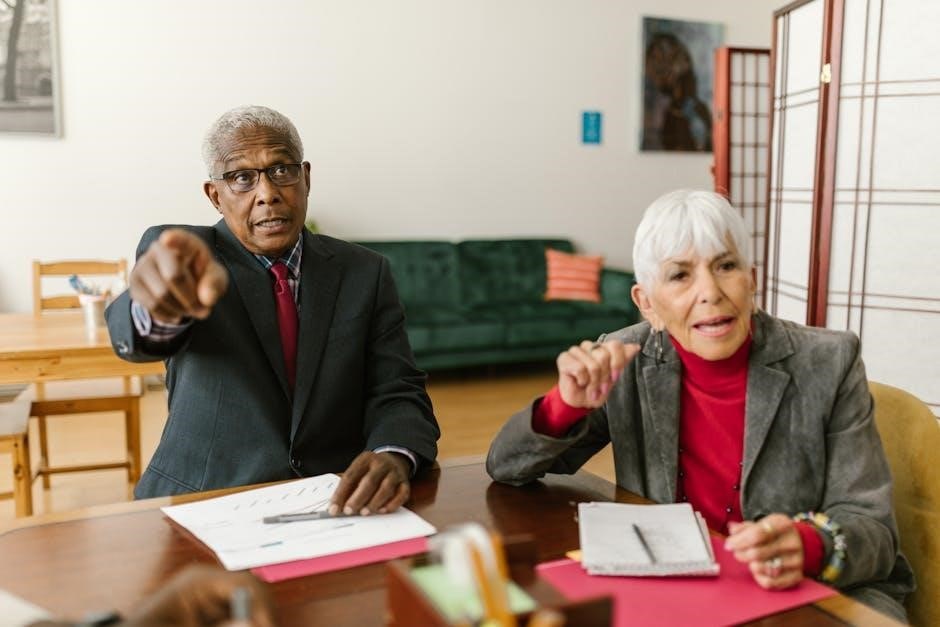
Home-School Connection
Sharing information about home life is crucial; keep in touch with the teacher and don’t hesitate to schedule follow-up meetings․
Supporting learning at home requires consistent communication, and establishing preferred methods for staying connected is beneficial․

Sharing Information About Home Life
Open communication regarding home life provides valuable context for the teacher, enabling them to better understand your child’s behavior and academic performance within the classroom setting․ It’s beneficial to inform the teacher if any significant events or changes are occurring at home – whether positive or challenging – that might influence your child’s learning or emotional state․
Consider discussing any family stressors, recent moves, or adjustments to routines․ Equally important is sharing information about your child’s interests, strengths, and any unique learning styles observed at home․ This collaborative approach allows the teacher to tailor their instruction and support to meet your child’s individual needs more effectively․
Remember, providing this information isn’t about excusing behavior, but rather about equipping the teacher with a holistic understanding of your child, fostering a stronger home-school partnership, and ultimately, supporting their overall well-being and academic success․
Supporting Learning at Home
Discussing ways to reinforce classroom learning at home is a crucial aspect of the parent-teacher conference․ Ask the teacher for specific suggestions on how you can support your child’s academic progress outside of school hours․ This might involve recommended reading materials, practice exercises, or online resources aligned with the curriculum․
Explore strategies for creating a conducive learning environment at home, such as establishing a dedicated study space and setting consistent homework routines․ Inquire about opportunities to extend learning through real-world applications and engaging activities that cater to your child’s interests․
Understanding the teacher’s expectations and aligning your support accordingly will create a cohesive learning experience for your child, fostering a stronger connection between home and school and maximizing their potential for success․
Communication Preferences with the Teacher
Establishing clear communication channels with the teacher is vital for ongoing collaboration and addressing any concerns promptly․ Discuss preferred methods of communication – whether it’s email, phone calls, or a dedicated online platform – and establish a reasonable response timeframe․ Knowing how to best reach the teacher ensures timely updates and a proactive approach to your child’s education․
Inquire about the teacher’s availability for quick check-ins or brief conversations outside of scheduled meetings․ Understanding their communication style and preferences will foster a more comfortable and effective partnership․ Don’t hesitate to ask about the best way to share relevant information about your child’s progress or any challenges they may be facing․
Remember to keep the teacher informed of any changes in your contact information or availability, ensuring seamless communication throughout the school year․

Follow-Up & Ongoing Communication
Keep in touch with the teacher and don’t hesitate to schedule follow-up meetings to clarify unclear points discussed during the initial conference․
Clarifying Unclear Points from the Meeting
Following the parent-teacher conference, it’s essential to address any lingering confusion or ambiguity regarding the discussed topics․ Don’t hesitate to reach out to the teacher for further explanation if something wasn’t entirely clear during the meeting; effective communication is key to supporting your child’s educational journey․
Specifically, if assessment methods beyond grades were mentioned, request a more detailed breakdown of how your child’s progress is evaluated․ Understanding these alternative assessments – projects, participation, or portfolios – provides a holistic view of their learning․
If classroom behavior concerns were raised, seek specific examples and strategies for collaborative support at home․ A clear understanding of the issues and potential solutions will foster a consistent approach between school and home․ Remember to ask about anything that was discussed that you did not fully understand․
Scheduling Follow-Up Meetings if Needed

Don’t hesitate to schedule follow-up meetings with the teacher if the initial conference didn’t fully address your concerns or if new issues arise after the discussion․ Continued communication is vital for a successful home-school partnership, ensuring your child receives the support they need․
A follow-up meeting provides an opportunity to delve deeper into specific areas, such as academic progress, behavioral patterns, or social interactions․ It allows for a more focused conversation and collaborative problem-solving․
If you and the teacher encountered issues that remained unresolved during the first meeting, a subsequent discussion with school staff – like guidance counselors – might be beneficial․ Keep in touch with the teacher, proactively seeking updates and offering your support․ Regular check-ins demonstrate your commitment to your child’s education․
Resources for Additional Support
Beyond the classroom and direct teacher communication, numerous resources can bolster your child’s learning and well-being․ Schools often provide access to guidance counselors who offer support for academic, emotional, and social challenges․ Explore these services if your child is struggling․
Furthermore, investigate tutoring programs, both within the school and through external organizations, to provide targeted academic assistance․ Don’t overlook community resources, such as libraries and educational workshops, which can supplement classroom learning․
If concerns about unauthorized account access or suspicious activity arise, immediately report them to the school and relevant authorities․ Protecting your child’s online safety is paramount․ Remember, a collaborative approach, utilizing all available resources, maximizes your child’s potential for success․

Potential Concerns & Security
A hacker added themselves as a parent to a son’s email, then blackmailed the family; report suspicious activity immediately to school staff․
Addressing Unauthorized Account Access
Discussing potential security breaches is vital, especially concerning your child’s online accounts․ A recent case highlighted a hacker adding themselves as a parent to a student’s email, exploiting malware to gain access to passwords and subsequently issuing blackmail threats․
Inquire about the school’s protocols for preventing unauthorized access to student accounts and the measures in place to detect and respond to such incidents․ Understand the process for reporting suspicious activity and ensuring your child’s digital safety․
Confirm the requirements for parental supervision of accounts, including age restrictions (18 or older, or the appropriate age in your country) and the consent process․ Learn how to add or remove parental supervision, and what steps are taken to verify the parent’s identity․ Proactive communication and awareness are key to safeguarding your child’s online presence․
Reporting Suspicious Activity
Establishing clear reporting channels is paramount for student safety, particularly regarding online activity․ Given recent incidents of unauthorized account access and subsequent blackmail attempts, understanding the school’s procedures is crucial․ Prompt reporting can mitigate potential harm and protect your child’s digital wellbeing․
Discuss with the teacher the specific methods for reporting suspicious activity, whether it involves account breaches, inappropriate online interactions, or concerning content․ Clarify who to contact – a teacher, administrator, or IT support – and the expected response time․
Ensure you understand the school’s policy on investigating reported incidents and the steps taken to address them․ Knowing these protocols empowers you to act swiftly and effectively if you observe anything concerning, fostering a safer learning environment for all students․ Don’t hesitate to follow up if needed․